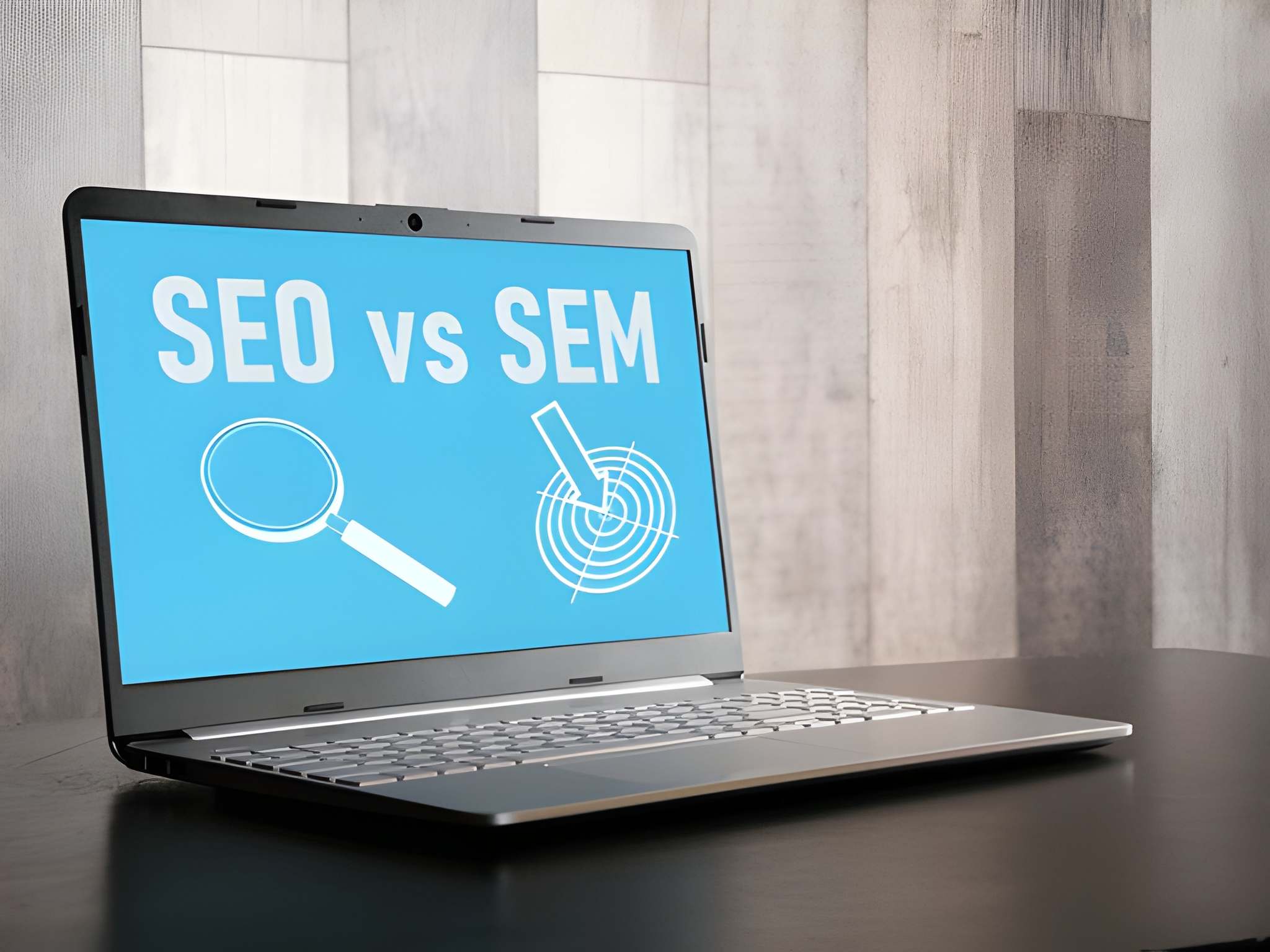
When businesses discuss digital marketing strategies, one debate often comes up first: SEO vs SEM. Both aim to increase visibility on search engines, drive website traffic, and generate leads—but they operate in very different ways. Understanding their differences is essential before deciding where to invest your budget.
Search engines are often the first place potential customers go when they need information, products, or services. If your business doesn’t appear on the first page, you’re likely missing valuable opportunities. That’s why choosing the right search strategy directly impacts revenue, brand authority, and long-term growth.
The real question isn’t simply which one is better. It’s about understanding your timeline, goals, competition level, and marketing capacity. By examining SEO and SEM in depth, you can make a smarter, more strategic decision.
What Is SEO?
Search Engine Optimization (SEO) is a long-term strategy focused on improving your website’s ranking in organic (non-paid) search engine results. Instead of paying for visibility, SEO helps your website earn its position by proving relevance, authority, and value to search engines like Google.
SEO works by aligning your website with search engine algorithms and user intent. It strengthens your digital presence over time and builds credibility in your industry.
SEO typically involves:
- Optimizing website structure, speed, and mobile responsiveness
- Conducting keyword research and integrating relevant search terms naturally into content
- Creating high-quality, informative, and consistent content
- Building backlinks and strengthening domain authority
- Improving on-page elements such as meta titles, descriptions, headings, and internal links
The biggest advantage of SEO is sustainability. Once your pages rank well, they can continuously generate traffic without direct advertising costs. However, SEO requires patience and consistency, as results often take several months to materialize.
What Is SEM?
Search Engine Marketing (SEM) refers to paid strategies that increase your visibility on search engines through advertising platforms such as Google Ads. Unlike SEO, SEM allows you to appear at the top of search results almost instantly by bidding on specific keywords.
SEM is performance-driven and highly measurable. You pay when users click on your ads, making it a controlled and scalable investment.
SEM commonly includes:
- Running pay-per-click (PPC) campaigns for targeted keywords
- Creating optimized ad copy designed to attract clicks
- Setting audience targeting based on location, demographics, or behavior
- Managing bidding strategies and campaign budgets
- Tracking conversions and optimizing campaigns based on data
The main benefit of SEM is speed. It delivers immediate visibility and quick traffic. However, once you stop funding campaigns, the traffic stops as well. It provides momentum—but not long-term stability on its own.
Key Differences Between SEO vs SEM
The primary difference between SEO vs SEM lies in timeline and investment structure. SEO builds organic authority gradually, while SEM purchases immediate visibility.
| Aspect | SEO | SEM |
|---|---|---|
| Cost | Mostly time & resources | Pay per click |
| Results | Long-term | Instant |
| Sustainability | High | Low when ads stop |
| Trust Level | Higher (organic) | Lower (ads) |
| Scalability | Gradual | Fast but budget-dependent |
Understanding these differences helps determine which strategy aligns best with your business objectives.
When to Use SEO or SEM
Choosing between SEO vs SEM depends largely on your business stage and goals.
SEO is ideal when you are focused on long-term growth, brand authority, and sustainable lead generation. If your business operates in a competitive market where consistent content can position you as a thought leader, SEO becomes a strategic asset. It works especially well for evergreen services, educational content, and businesses aiming to reduce long-term acquisition costs.
SEM, on the other hand, is most effective when speed is essential. If you’re launching a new product, entering a new market, running a limited-time campaign, or need immediate leads to support revenue targets, SEM provides instant exposure. It is also useful for testing keyword performance before committing to a long-term SEO strategy.
In reality, most growing businesses benefit from using both strategically rather than choosing one exclusively.
The Right SEO and SEM Strategy
The strongest approach to SEO vs SEM is not choosing one over the other—but integrating them intelligently. Here’s how a well-structured strategy should work:
1. Immediate Traffic with SEM While SEO Builds Momentum
SEM can generate instant traffic and conversions while your SEO efforts are still developing. Since SEO takes time to rank, paid ads ensure your business doesn’t miss opportunities during the early stages of growth.
2. Use SEM Data to Strengthen SEO Content
Paid campaigns provide valuable keyword and conversion data. By analyzing which keywords convert best in SEM, you can prioritize those same high-performing terms in your SEO content strategy, reducing guesswork and increasing effectiveness.
3. Gradually Reduce Dependency on Paid Ads
As organic rankings improve, you can strategically reduce ad spend on keywords where you already rank strongly. This allows you to reallocate budget toward new campaigns, expansion markets, or competitive keywords that are harder to rank organically.
4. Dominate Search Results with Dual Visibility
Appearing in both paid and organic results increases brand credibility and click-through rates. When users see your brand multiple times on the same search results page, it reinforces authority and improves overall trust.
5. Continuous Optimization and Strategic Management
An effective SEO and SEM strategy requires ongoing monitoring, technical improvements, content refinement, bid optimization, and performance analysis. Without consistent optimization, both organic and paid performance can decline. That’s why many businesses choose to work with experienced digital partners like NewGen, who provide integrated SEO and SEM services designed to deliver measurable, long-term business growth rather than short-term traffic spikes.
Conclusion: SEO vs SEM — Build a Strategy That Truly Performs
When deciding between SEO vs SEM, the smartest move is not choosing one blindly—but aligning your investment with your business objectives, timeline, and growth targets. If you need immediate visibility and fast lead generation, SEM delivers quick traction. If you’re focused on sustainable authority, consistent traffic, and long-term cost efficiency, SEO becomes a powerful foundation.
However, the most impactful results happen when both strategies work together under a clear, data-driven plan. SEO strengthens your brand presence organically, while SEM accelerates growth and captures high-intent opportunities. When executed properly, they create a compounding effect that increases visibility, trust, and conversions over time.
At NewGen, our services include comprehensive Search Engine Optimization (SEO) along with performance-driven SEM campaign management. We don’t just aim for rankings or clicks—we build structured search strategies designed to align with your business goals, improve measurable performance, and maximize return on investment.
Take the next step toward stronger search visibility. Visit NewGen’s services page today and connect with our team to build a powerful, results-driven search presence through the right strategies.
Leave a Reply